
EXCLUSIVE: SpaceX given unique access to DoD space tracking data, sources say
Commercial space monitoring firms are concerned SpaceX's ability to use the best DoD data could threaten the market, sources tell Breaking Defense.
Commercial space monitoring firms are concerned SpaceX's ability to use the best DoD data could threaten the market, sources tell Breaking Defense.

The current focus is on low cost, high volume commercial cargo reentry pods, an Air Force Research Laboratory spokesperson told Breaking Defense.

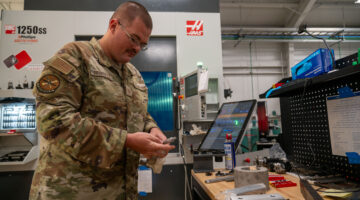
AI-enabled workflows accelerate production, but cybersecurity and governance remain central.
The new awards are aimed at demonstrating the ability of multiple satellite networks to connect to the Space Force's emerging Space Data Network.
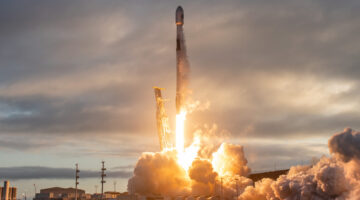
The SpaceX task order is the first to be awarded since the Space Force's July 17 massive $11.4 billion plus-up to the NSSL Phase 3 Lane 1 contract vehicle ceiling.

The service now expects 170 NSSL Phase 3 Lane 1 launches between 2025-2034, up from 60.

“We really used to be considered icing on the cake,” US Chief of Space Operations Gen. Chance Saltzman told reporters. Now, “I think we are more the eggs in the cake batter.”
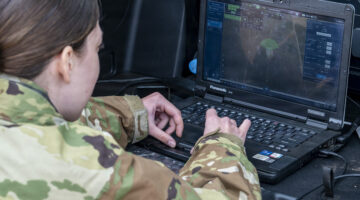
A commercial prototype in a sandbox is different from deploying AI across classified networks.

"While this OTA agreement establishes initial SB-AMTI capability, the Space Force anticipates issuing multiple awards in the coming year ," the service said today.

The SpaceX "backbone" constellation will support the broader Space Data Network, which will include the Space Development Agency's Transport layer satellites.

The Defense Department has made agreements with Amazon Web Services, Google, Microsoft, NVIDIA, OpenAI, SpaceX, and Reflection, according to an announcement this morning, with an eighth, Oracle, added just hours later.

The service pledged it would demonstrate an “initial capability” for the orbital missile killers by 2028.
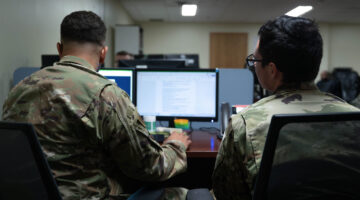
AI tools are critical components of modern warfare, but must be protected to ensure they are reliable.
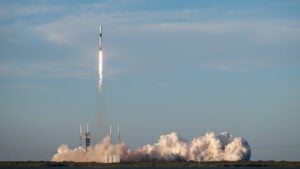
A project previously called MILNET will now be funded in a budget line labeled “proliferated LEO SATCOM,” which the Space Force is seeking $1.6 billion in reconciliation funding to kick off.
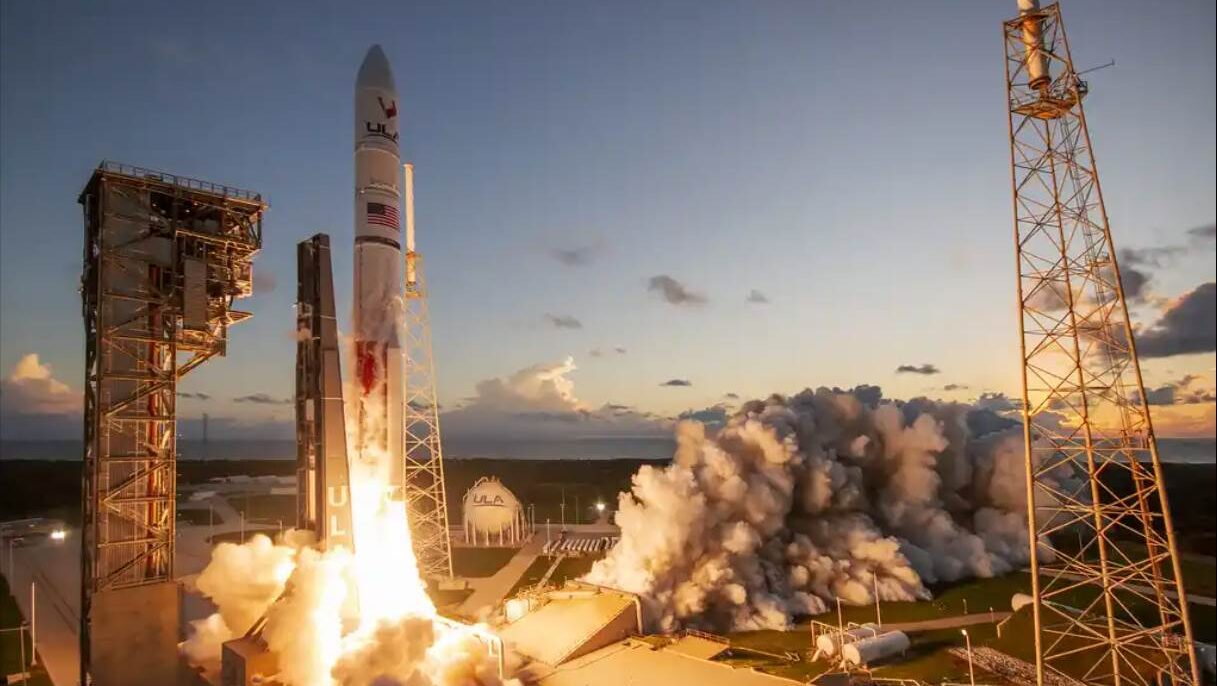
The shift follows Vulcan's February grounding under the National Security Space Launch program to resolve persistent problems with its solid rocket boosters.
Ricky Freeman joined the company in 2023 as part of an increased focus in the defense market.

Two major trade groups are working on studies to scope the supply chain issues, hone in on the most pressing problems, and identify early mitigation strategies.